The founder mental-model library
Great founders think in systems, not hustle.
Market Architects distills 70 of the world's most useful business thinkers — founders, authors, and professors — into 10 mental models, with annotated 3-minute video clips, "Apply This Model" translations, and book reviews that matter.
Start here
Which door are you standing in front of?
Door 01
I'm looking for new ideas
Walk The Idea Explorer — a guided tour through all 10 mental models, one framework per stop, from competition to purpose.
Start exploring →Door 02
I want to hear from great founders
Walk The Founder's Journey — the arc every great company takes, told by the founders who lived it, from conviction to flywheel.
Start the journey →The poor man's MBA
Take the full course — 54 lessons in 6 tiers
Think first → create → spread it → operate it perfectly → lead the team → survive the shift. A guided progression from the people who actually did it, with nothing to pay and no exams.
Featured lectures
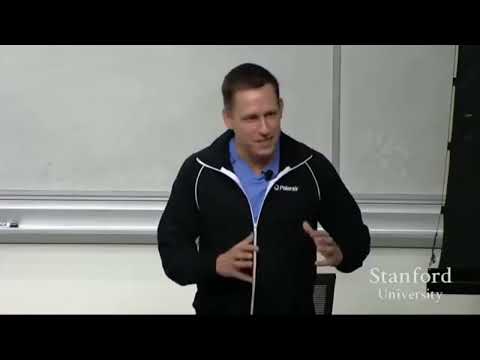
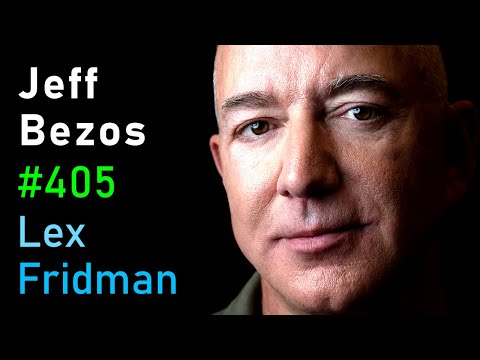
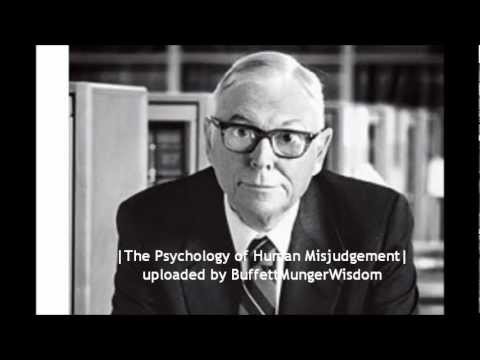
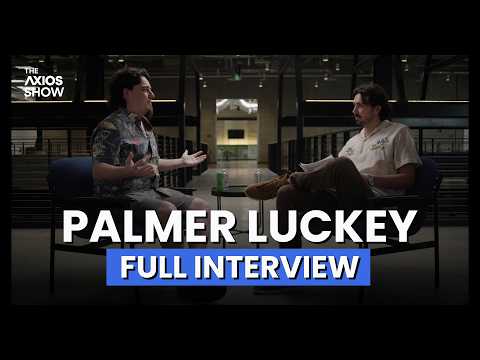
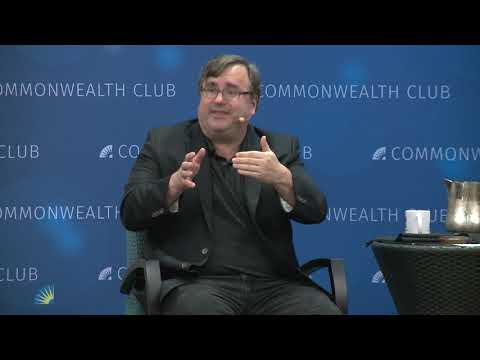
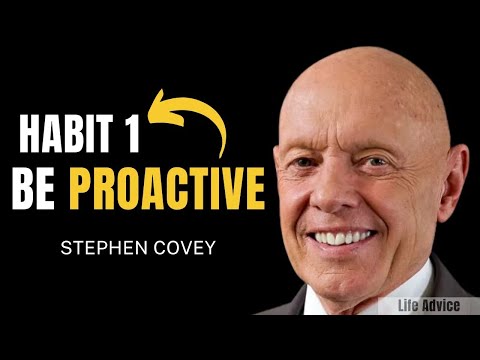
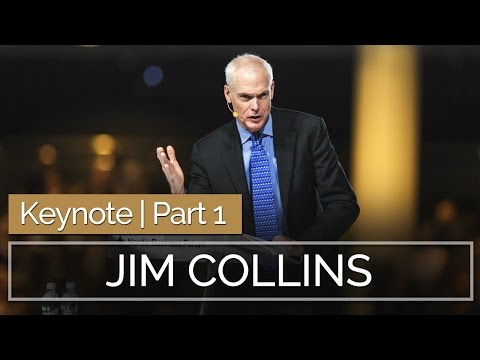
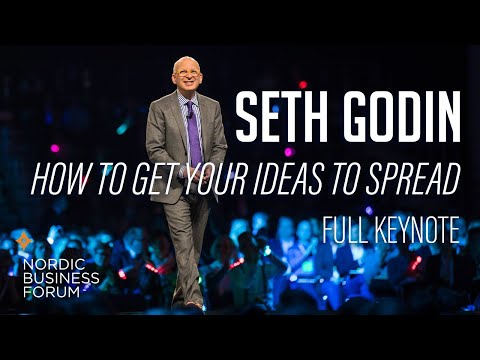
The core arguments, isolated




























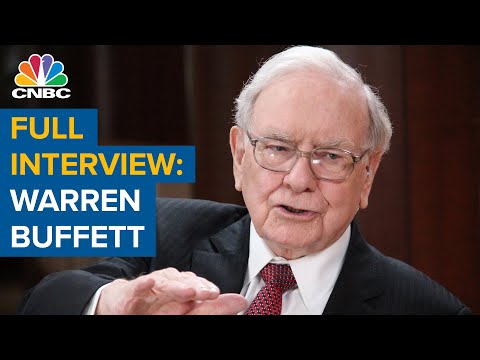



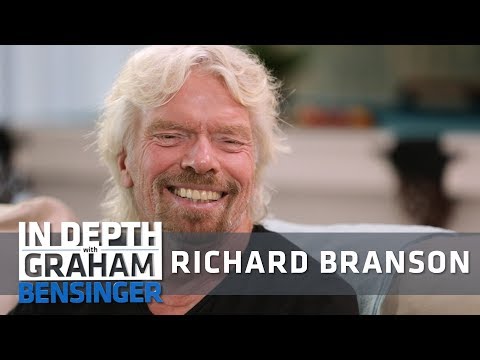










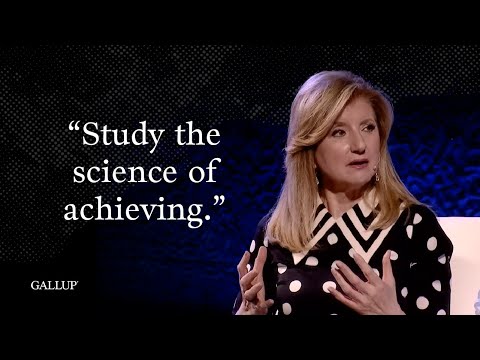






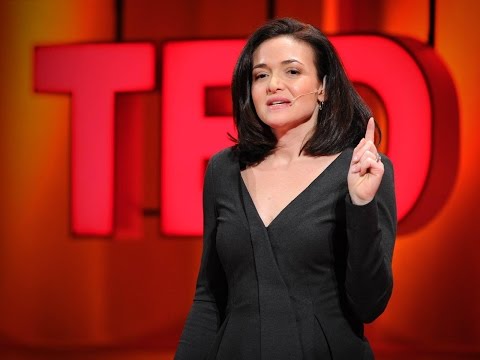

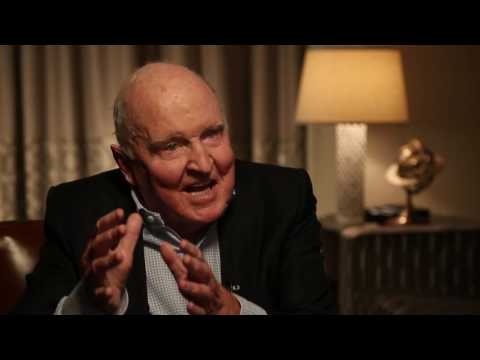








The taxonomy
10 core mental models
Zero to One Dynamics
Building non-consensus monopolies
Create new value instead of competing in crowded markets. The strongest businesses are the ones nobody else believes in yet — built on a secret, defended against competition, and engineered to capture most of the value they create.
Product & Design Intuition
Working backwards from desire
Radical focus: eliminate options until only the obvious one remains. Start from what a customer genuinely wants, then design the whole experience end-to-end — saying no to everything that dilutes it.
Operational Moats & Flywheels
Scale economics and compounding advantage
Scale economics, relentless long-term thinking, and compound efficiency over short-term profits. The moat is not a single advantage — it is a flywheel of reinforcing loops, a standardized system, and a portfolio built for the future that gets stronger every year you refuse the shortcut.
Frictionless Distribution & Scale
Survival mechanics and network effects
Early businesses die from distribution, not vision. Recruit your first customers by hand, find the small audience that becomes a tribe, then let network effects and blitzscaling do the heavy lifting.
Bootstrapping & Organic Brand
Capital efficiency and radical authenticity
Own your equity, keep the business small enough to stay fast, and let constraints become the brand. When you cannot outspend competitors, you out-imagine them — turning authenticity into an unfair advantage.
Paradigm Pivots & Resilience
Surviving existential change
Markets do not care about your legacy. The paranoid survive because they treat success as a crisis in waiting — and when the paradigm shifts, they bet the company on the new world before the old one collapses.
Purpose & Inspired Leadership
Why-first leadership and trust
People don't buy what you do, they buy why you do it. The most durable organizations run on a clear why, real trust, and leaders who lead people before they manage numbers.
Execution, Habits & Deep Focus
Discipline, habits, and compounding attention
Strategy is cheap; execution is the moat. Clarity of focus, daily compounding habits, and disciplined attention are what separate the businesses that ship from the ones that stall.
Strategy & Decision Science
Positioning, mental models, and better judgment
Advantage lives as much in how you think as in what you build. The strongest strategists combine rigorous positioning — choosing what not to do — with a brain engineered against its own biases, and an organization designed to let the best idea win.
Quality & Manufacturing Excellence
Zero defects, lean systems, perfect process
Once you have customers, the moat moves from the market to the machine. The quality canon — statistical process control, lean and the seven wastes, zero-defect mistake-proofing, and the theory of constraints — is how a business turns good intentions into perfect, repeatable output.
Book reviews that matter
Read the source material
Zero to One
Peter Thiel with Blake Masters
Zero to One
★★★★½Peter Thiel with Blake Masters · 2014
How to build the future by creating new things rather than copying what works.
Poor Charlie's Almanack
Charles T. Munger
Poor Charlie's Almanack
★★★★★Charles T. Munger · 2005
The wit and wisdom of the man who taught Warren Buffett to think in mental models.
Only the Paranoid Survive
Andrew S. Grove
Only the Paranoid Survive
★★★★½Andrew S. Grove · 1996
How to recognize and survive the strategic inflection points that kill companies.
The Lean Startup
Eric Ries
The Lean Startup
★★★★Eric Ries · 2011
Build-measure-learn and the science of getting a product to market cheaply.