Patrick Collison: Hiring at Stripe and the Role of a Product-Focused CEO
Greylock · 56 min · Stanford GSB Blitzscaling series (Greylock)
Open in YouTubeThe core argument
An infrastructure business wins by being so good it becomes invisible — trusted plumbing nobody wants to replace. That requires obsessive product focus, extremely selective hiring, and a willingness to build the 'boring' layer of the economy that investors underrate.
Collison on building Stripe as an infrastructure company: obsessive product quality, hiring as the company's real strategy, and why boring, reliable infrastructure beats flashy consumer features as a business model.
Annotated timestamps
3–5 min core argumentsSkip the full lecture — jump straight to the passages that matter. Each clip links to YouTube at the exact moment.
- 01Why Stripe chose the boring layer▶ 04:20
Payments is unglamorous but universal: a small improvement to the plumbing of the economy compounds across every merchant who uses it. Pick markets where quality has an outsized multiplier.
- 02Hiring as the product strategy▶ 18:00
For a product-focused CEO, every hire is a product decision. Stripe's insistence on selective, high-standards hiring is what lets a small team ship infrastructure at large-company reliability.
- 03Infrastructure economics▶ 36:40
Revenue is small per merchant but recurring and compounding across millions of them. The moat is cumulative trust — the more you handle, the better you get at handling it.
Founder cross-references
opposing & complementary takesCollison is Thiel's 'infrastructure monopoly' thesis in the flesh — a payment network that behaves like a monopoly because it's simply the best option.
Blakely bootstrapped on raw enthusiasm with $5,000; Collison raised heavily and scaled fast. Same destination — category ownership — radically different capital paths.
Ideas in this lecture
Companion reads
All books →Zero to One
Peter Thiel with Blake Masters
Zero to One
★★★★½Peter Thiel with Blake Masters · 2014
How to build the future by creating new things rather than copying what works.
The Innovator's Dilemma
Clayton M. Christensen
The Innovator's Dilemma
★★★★★Clayton M. Christensen · 1997
When new technologies cause great firms to fail — and why good management is the culprit.
The Almanack of Naval Ravikant
Eric Jorgenson
The Almanack of Naval Ravikant
★★★★½Eric Jorgenson · 2020
A guide to wealth and happiness from the most-quoted philosopher of the startup world.
Keep exploring
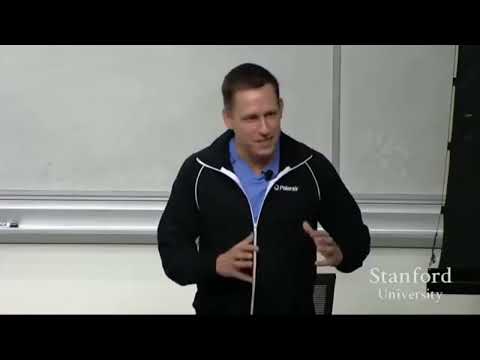 40 min
Competition is for Losers
Thiel's opening salvo: competition destroys value, monopoly captures it. He shows that every successful company hides a monopoly from the world while pretending to compete — and that your goal is to be the only company that can do what you do.
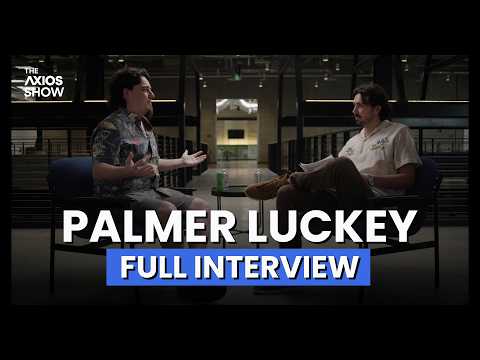 28 min
Palmer Luckey on AI, War, and Anduril
Luckey on why he left VR for defense and how he runs a hard-tech company on conviction: contrarian bets, long development cycles, and an absolute refusal to let consensus set his priorities.
 1h 9m
Sam Altman in conversation with Patrick Collison
A wide-ranging conversation between two of the defining infrastructure builders of their generation: what 'the hardest problems' means, the value of very long time horizons, and how to keep a company ambitious without losing focus.