The 5 Levels of Leadership
C+A Global Leadership Development · 44 min · John Maxwell teaching (archived)
Open in YouTubeThe core argument
Leadership is a climb, not a title. Level 1 you lead because people have to; Level 2 because they want to; Level 3 because of what you deliver; Level 4 because you develop them; Level 5 because of who you are and what you represent. Each level takes time, and skipping levels — especially trust — is the most common small-business leadership failure.
Maxwell's ladder of leadership: Position, Permission, Production, People Development, and Pinnacle — and why almost everyone stops at level one, leading by title instead of by trust.
Annotated timestamps
3–5 min core argumentsSkip the full lecture — jump straight to the passages that matter. Each clip links to YouTube at the exact moment.
- 01Level 1: Position▶ 02:30
The lowest level — people follow because they have to. Maxwell: 'Position is the lowest level of leadership. The only good thing about it is it's a starting place.'
- 02Level 2: Permission▶ 11:40
People follow because they want to. This is where relationships, listening, and trust get built — and where most owners who 'are the boss' never go.
- 03Levels 3–5: Production, People, Pinnacle▶ 24:00
Winning as a team, developing other leaders, and eventually leading on reputation. The ceiling of any business is the level of its leadership.
Founder cross-references
opposing & complementary takesSinek's why-first leadership is the belief system behind Maxwell's Level 2 — you can't earn permission with a title, only with purpose and trust.
Drucker distinguished managing from leading; Maxwell's ladder shows the actual climb from one to the other.
Ideas in this lecture
Companion reads
All books →Start With Why
Simon Sinek
Start With Why
★★★★Simon Sinek · 2009
How great leaders inspire everyone to take action — by starting with the why, not the what.
Dare to Lead
Brené Brown
Dare to Lead
★★★★Brené Brown · 2018
Brave work, tough conversations, whole hearts — the research on leading with courage.
The 7 Habits of Highly Effective People
Stephen R. Covey
The 7 Habits of Highly Effective People
★★★★½Stephen R. Covey · 1989
The character-based classic of personal and professional effectiveness.
Keep exploring
 18 min
Start with Why: How Great Leaders Inspire Action
The talk that launched a thousand mission statements. Sinek explains the Golden Circle — why, how, what — and shows that people don't buy what you do, they buy why you do it.
 20 min
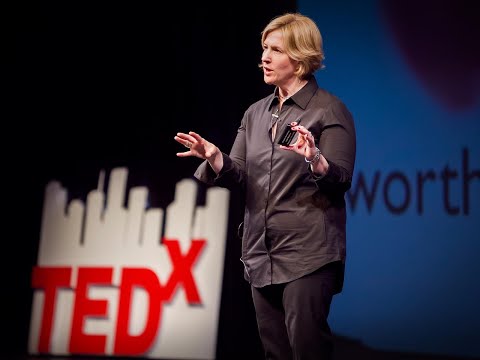
The Power of Vulnerability
The most-watched TED talk of all time. Brené Brown makes the counterintuitive case that vulnerability — showing up without knowing the outcome — is the birthplace of courage, connection, and trust, not weakness.
 9 min
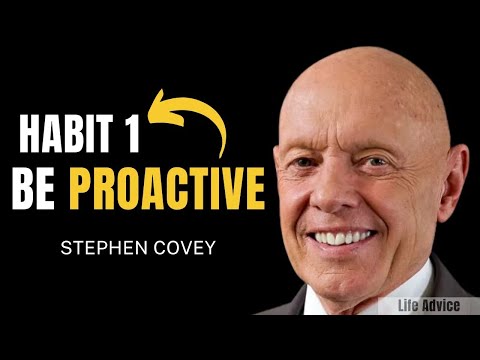
The First Habit: Be Proactive
Covey on the habit that unlocks all the others: the gap between stimulus and response, where you choose your response — and in that choice, your character and your business are built.