How to Build a Company Where the Best Ideas Win
TED · 16 min · TED Main
Open in YouTubeThe core argument
Great decisions come from radical truth (looking at reality unflinchingly) plus radical transparency (sharing what you really think) — then letting the best idea win regardless of who said it. Pain, reframed as a signal rather than a punishment, becomes the raw material of improvement. The company that institutionalizes this runs like a machine and keeps getting smarter.
Dalio on radical transparency and the idea meritocracy: how Bridgewater encoded principles, surfaced disagreement, and let the best argument — not the highest title — decide.
Annotated timestamps
3–5 min core argumentsSkip the full lecture — jump straight to the passages that matter. Each clip links to YouTube at the exact moment.
- 01Pain + reflection = progress▶ 02:40
Dalio's core formula: painful mistakes are the best teacher, but only if you reflect on them immediately and encode the lesson as a principle.
- 02Radical transparency▶ 07:20
At Bridgewater, meetings are recorded and opinions are rated by credibility, not rank. The idea: hide nothing, because hidden problems fester.
- 03The idea meritocracy▶ 12:10
Weight votes by evidence and track record, not title. When the best ideas win, the organization's IQ exceeds any individual in it.
Founder cross-references
opposing & complementary takesDalio's idea meritocracy is the organizational answer to Kahneman's biases: you can't trust one brain, so you build a process that surfaces the second opinion.
Dalio runs Lencioni's healthy team model to an extreme: radical conflict is required, and commitment is earned through debate.
Ideas in this lecture
Companion reads
All books →Poor Charlie's Almanack
Charles T. Munger
Poor Charlie's Almanack
★★★★★Charles T. Munger · 2005
The wit and wisdom of the man who taught Warren Buffett to think in mental models.
The Effective Executive
Peter F. Drucker
The Effective Executive
★★★★½Peter F. Drucker · 1967
The definitive guide to the executive's real job: being effective, not busy.
Competitive Strategy
Michael E. Porter
Competitive Strategy
★★★★Michael E. Porter · 1980
The Five Forces and the foundational framework of business strategy.
Keep exploring
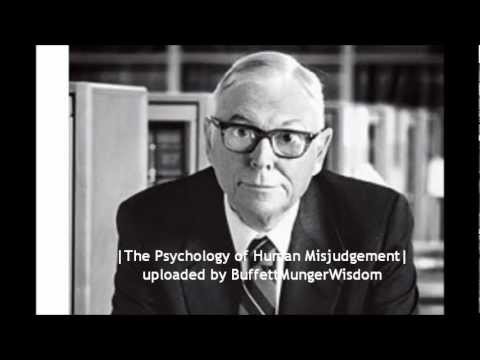 1h 20m
The Psychology of Human Misjudgment
Munger's magnum opus on the 25+ psychological tendencies that cause smart people to make bad decisions — reward-punishment bias, social proof, incentive-caused bias, and the rest — framed as an engineering problem: design the system so the bias doesn't matter.
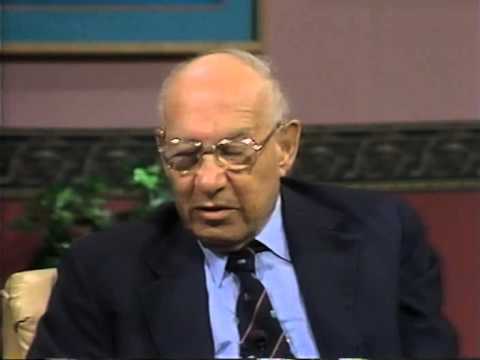 30 min
Peter Drucker: The Iconic Interview
One of the last extended conversations with the father of modern management, on what a business is for, the discipline of the effective executive, and why 'management is doing things right; leadership is doing the right things.'
 40 min
Keynote on Strategy
Porter's doctrine in one session: strategy is not being better at the same game — it is choosing to play a different game, defined by trade-offs, a unique value proposition, and the deliberate refusal of competing in the same way.