Herzberg's KITA: Jumping for the Jelly Beans
gec118 · 10 min · Classic Herzberg training film (Part 1)
Open in YouTubeThe core argument
You can't motivate by pushing — KITA (negative or positive 'kick in the pants') produces movement while the pressure is on, and stops the moment it's off. The only sustainable motivation is intrinsic: the work itself. Hygiene factors (pay, conditions, policy) prevent dissatisfaction but can never create satisfaction — that comes only from achievement, recognition, and growth in the job.
The classic Herzberg film: why 'KITA' — the kick in the pants — produces movement, not motivation, and the difference between hygiene factors and real motivators.
Annotated timestamps
3–5 min core argumentsSkip the full lecture — jump straight to the passages that matter. Each clip links to YouTube at the exact moment.
- 01What KITA really is▶ 01:10
Herzberg's blunt reframe of 'motivating' employees: bonuses, perks, and threats are a kick in the pants — they produce movement, not motivation.
- 02Hygiene vs motivators▶ 05:20
Pay and conditions prevent dissatisfaction but can't create it. Only the work itself — achievement, recognition, growth — truly motivates.
- 03Give them a good job to do▶ 08:00
The conclusion: enrich the job. The person doing interesting, meaningful work needs no kick.
Founder cross-references
opposing & complementary takesHerzberg invented the argument; Pink updated the science. The motivators (achievement, growth) ARE Pink's mastery and purpose.
Herzberg shows what motivates; McGregor explains why X-managers never see it. The job design and the assumption are the same fight.
Ideas in this lecture
Companion reads
All books →Start With Why
Simon Sinek
Start With Why
★★★★Simon Sinek · 2009
How great leaders inspire everyone to take action — by starting with the why, not the what.
Dare to Lead
Brené Brown
Dare to Lead
★★★★Brené Brown · 2018
Brave work, tough conversations, whole hearts — the research on leading with courage.
The 7 Habits of Highly Effective People
Stephen R. Covey
The 7 Habits of Highly Effective People
★★★★½Stephen R. Covey · 1989
The character-based classic of personal and professional effectiveness.
Keep exploring
 18 min
Start with Why: How Great Leaders Inspire Action
The talk that launched a thousand mission statements. Sinek explains the Golden Circle — why, how, what — and shows that people don't buy what you do, they buy why you do it.
 20 min
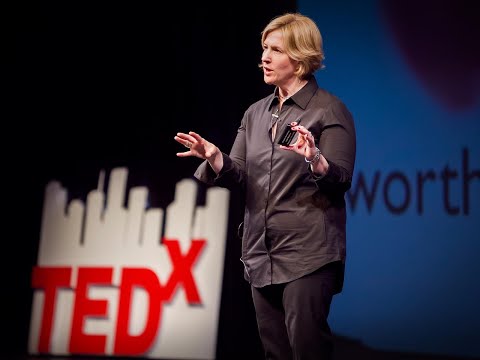
The Power of Vulnerability
The most-watched TED talk of all time. Brené Brown makes the counterintuitive case that vulnerability — showing up without knowing the outcome — is the birthplace of courage, connection, and trust, not weakness.
 9 min
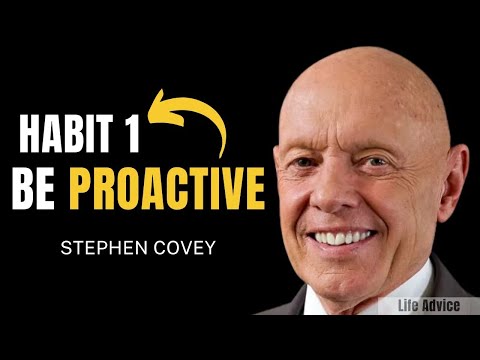
The First Habit: Be Proactive
Covey on the habit that unlocks all the others: the gap between stimulus and response, where you choose your response — and in that choice, your character and your business are built.