Jensen Huang: 'People with really high expectations have very low resilience'
Mikael Godal (Stanford GSB View From The Top) · 12 min · Stanford GSB View From The Top (uncut segment)
Open in YouTubeThe core argument
Success requires pain, and the founders who build enduring companies are the ones who embrace suffering rather than optimize it away. NVIDIA's repeated near-death pivots succeeded because Huang's team expected hardship — so when the paradigm shifted, they had the resilience to bet everything on the new world.
The clip that went viral: Huang explaining why he tells NVIDIA employees that great suffering is the price of doing something great — and why companies that survive long enough to pivot are the ones with low expectations of comfort.
Annotated timestamps
3–5 min core argumentsSkip the full lecture — jump straight to the passages that matter. Each clip links to YouTube at the exact moment.
- 01Great suffering is the price of great achievement▶ 00:30
Huang: 'We just don't feel bad for you.' The companies that survive are the ones that treat difficulty as the cost of entry, not an anomaly.
- 02High expectations, low resilience▶ 04:20
People who expect everything to be smooth shatter at the first setback. Lowering the expectation of comfort is a resilience strategy, not pessimism.
- 03Suffering as a selection filter▶ 08:50
The willingness to endure hard problems is what filters both employees and opportunities — and it is exactly why hard things get done by few companies.
Founder cross-references
opposing & complementary takesHuang's resilience talk is Grove's 'only the paranoid survive' updated for the AI era: the survivable company is the one that expected the crisis.
Munger would agree suffering is inevitable but argue you should structure incentives to avoid creating it; Huang treats the suffering itself as the filter. Temperament vs. mechanism.
Ideas in this lecture
Companion reads
All books →Only the Paranoid Survive
Andrew S. Grove
Only the Paranoid Survive
★★★★½Andrew S. Grove · 1996
How to recognize and survive the strategic inflection points that kill companies.
The Hard Thing About Hard Things
Ben Horowitz
The Hard Thing About Hard Things
★★★★½Ben Horowitz · 2014
Building a business when there are no easy answers.
Grit
Angela Duckworth
Grit
★★★★Angela Duckworth · 2016
The power of passion and perseverance — and how to grow it in yourself and your team.
Keep exploring
 30 min
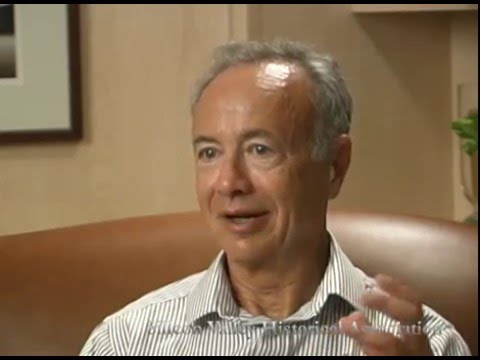
Andy Grove, Co-founder of Intel: 1999 Interview
The man who fired himself out of memory chips and into microprocessors on the nature of strategic inflection points, the meaning of paranoia, and why the CEO's most valuable act is confronting reality before the market does.
 26 min
Marc Benioff: Cloud Futures at Google Atmosphere
Benioff, two years after Salesforce showed the world that software could be rented not installed, explaining the mechanics of the cloud paradigm: why subscription economics, always-on updates, and the 'no software' message were unstoppable.
 6 min
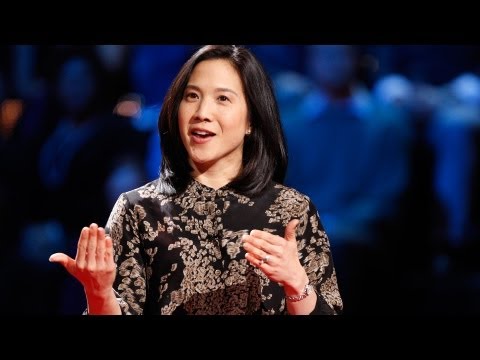
Grit: The Power of Passion and Perseverance
The six-minute talk that made 'grit' a business word: talent is everywhere, but the students and founders who win are the ones with sustained passion and perseverance for very long-term goals.