Jeff Bezos: Amazon and Blue Origin (Lex Fridman #405)
Lex Fridman · 2h 39m · Lex Fridman Podcast
Open in YouTubeThe core argument
Decision-making structure is the moat. Bezos walks through his core frameworks — regret minimization, the flywheel, 'disagree and commit', and long-run thinking as a competitive weapon — as a practical operating system rather than corporate philosophy.
A long-form look at Bezos's mental machinery: two-way-door decisions, the regret-minimization framework that launched Amazon, and the distinction between 'high judgement, high speed' and careless speed.
Annotated timestamps
3–5 min core argumentsSkip the full lecture — jump straight to the passages that matter. Each clip links to YouTube at the exact moment.
- 01Regret minimization framework▶ 07:40
'What will I regret when I'm 80?' was the test that justified leaving a safe job for a garage. Regret over inaction is the only regret that compounds.
- 02The flywheel explained▶ 24:15
Lower prices attract more customers, which attracts sellers, which improves selection, which lowers costs further. Each loop makes the next loop cheaper — the moat is the loop itself.
- 03High-speed decisions and disagree and commit▶ 51:00
Speed of decision is itself a competitive advantage, and 'disagree and commit' lets a team move forward without consensus paralysis.
Founder cross-references
opposing & complementary takesMunger's mental models and Bezos's decision frameworks are cousins: both treat better reasoning machinery as the durable advantage, not any single lucky bet.
Hoffman blitzscales — speed over deliberation, launch before you're ready. Bezos argues for structure and judgement at speed. The tension is exactly where most founders get stuck.
Ideas in this lecture
Companion reads
All books →7 Powers
Hamilton Helmer
7 Powers
★★★★½Hamilton Helmer · 2016
The foundations of business strategy — the seven structural sources of advantage.
Good to Great
Jim Collins
Good to Great
★★★★½Jim Collins · 2001
Why some companies make the leap and others don't — a five-year study of the difference.
Invent and Wander
Jeff Bezos
Invent and Wander
★★★★Jeff Bezos · 2020
The collected writings of Jeff Bezos — the shareholder letters that became the Amazon operating manual.
Keep exploring
 5 min
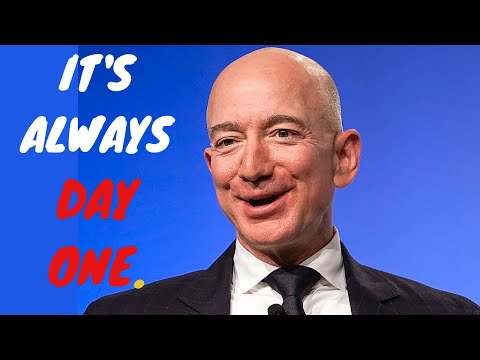
It's Always Day 1
Bezos's compact statement of the Day 1 operating posture: stay in the beginner's mindset, treat the customer as the only reliable focus, and treat 'Day 2' — stasis — as the thing to avoid at all costs.
 47 min
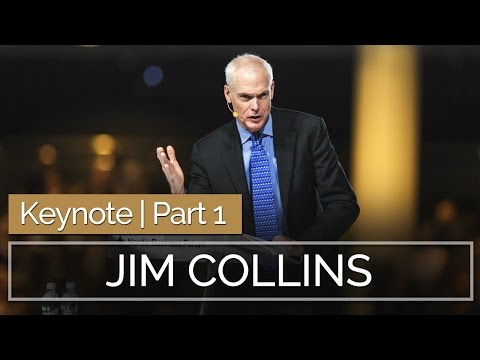
Good to Great: Choice and Discipline
Jim Collins, live, on why greatness is a choice made with discipline: Level 5 leadership, the hedgehog concept, and the flywheel — and the brutal truth that 'good' is the biggest enemy of 'great'.
 1h 15m
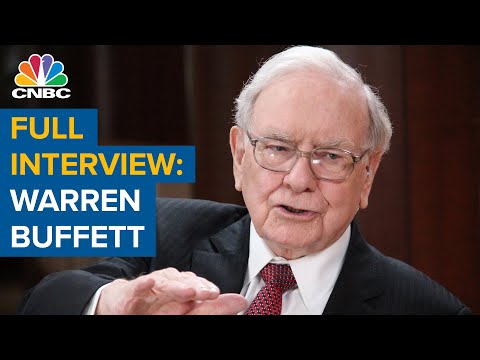
Warren Buffett in Full (CNBC Interview)
Buffett on the machinery of Berkshire: moats, the circle of competence, and the discipline of holding good businesses for decades while doing almost nothing.