Howard Schultz In Depth (Graham Bensinger)
Graham Bensinger · 1h 30m · In Depth with Graham Bensinger
Open in YouTubeThe core argument
Scale doesn't have to mean soulless. Starbucks grew by treating the store experience as the product and the employee as the first customer — benefits, equity, and dignity first. The moat was the culture of the experience, replicated thousands of times without being commoditized.
Schultz on building the third place: how Starbucks scaled from 11 stores to a global brand while keeping the experience — and the employee — at the center.
Annotated timestamps
3–5 min core argumentsSkip the full lecture — jump straight to the passages that matter. Each clip links to YouTube at the exact moment.
- 01From 11 stores to a third place▶ 08:20
Schultz describes buying Starbucks and reimagining it as the 'third place' between home and work — the positioning that made coffee a destination.
- 02The employee is the first customer▶ 31:00
Health insurance and equity for part-timers — Schultz argues the culture of treating people well is what customers feel when they walk in.
- 03Keeping soul at scale▶ 1:02:40
The tension of growth: how to replicate the local feel across thousands of stores without losing it. The answer was systems with a human standard.
Founder cross-references
opposing & complementary takesSchultz's third place and Chesky's 10-star experience are the same doctrine: the experience IS the product, at any scale.
Both put culture and service ahead of the transaction — Starbucks's baristas and Zappos's call center as marketing.
Ideas in this lecture
Companion reads
All books →The Lean Startup
Eric Ries
The Lean Startup
★★★★Eric Ries · 2011
Build-measure-learn and the science of getting a product to market cheaply.
Blitzscaling
Reid Hoffman & Chris Yeh
Blitzscaling
★★★★Reid Hoffman & Chris Yeh · 2018
The lightning-fast path to massive scale — and when to deliberately take it.
This Is Marketing
Seth Godin
This Is Marketing
★★★★½Seth Godin · 2018
The definitive modern statement of marketing as making change — for the smallest viable audience.
Keep exploring
 6 min
Do Things That Don't Scale
The canonical argument that early growth is manual: recruit users by hand, make every interaction feel like a personal favor, and only build scalable mechanics after the core experience is proven on a few users.
 26 min
It's Time to Build
Andreessen's argument that the world's shortage is not ideas or capital but building: institutions talk, incumbents stall, and the advantage goes to whoever converts energy into shipped reality fastest.
 1h 1m
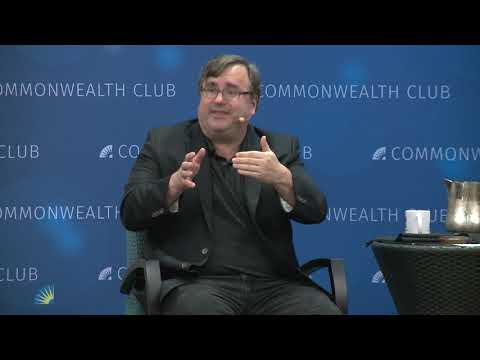
Reid Hoffman: The Secrets of Blitzscaling
Hoffman's thesis that when speed is the only way to win, you deliberately trade efficiency and even product polish for market leadership — and why the rules of normal management don't apply at that speed.