Zero Quality Control: Poka-Yoke in JIT
Lean Strategies International · 15 min · Shingo method introduction
Open in YouTubeThe core argument
Inspection catches defects after they're made; zero quality control prevents them at the moment of creation. Shingo's tools — poka-yoke (mistake-proofing) and source inspection — make the error physically impossible or instantly detected. When defects can't happen, quality costs nothing and the process is truly reliable.
Shingo's radical standard: defects should be impossible, not improbable — poka-yoke mistake-proofing at the source, so quality control is zero because the error can't happen.
Annotated timestamps
3–5 min core argumentsSkip the full lecture — jump straight to the passages that matter. Each clip links to YouTube at the exact moment.
- 01Prevention over detection▶ 02:20
Shingo's core inversion: stop catching defects, start making them impossible. The goal is zero quality control — not because you check everything, but because you don't have to.
- 02Poka-yoke in action▶ 07:40
Mistake-proofing devices that make the wrong action physically impossible — from a jig that won't fit wrong to a form that won't submit incomplete.
- 03Source inspection▶ 12:10
Check the causes at the source instead of the results at the end. Find the condition that causes the defect and control that.
Founder cross-references
opposing & complementary takesDeming said variation is the enemy; Shingo showed how to eliminate it — make the defect structurally impossible.
Gerber documents the system; Shingo mistake-proofs it. Together they make a business that runs without you, without errors.
Ideas in this lecture
Companion reads
All books →Out of the Crisis
W. Edwards Deming
Out of the Crisis
★★★★½W. Edwards Deming · 1982
The 14 Points and the system that made quality a management discipline.
Toyota Production System
Taiichi Ohno
Toyota Production System
★★★★½Taiichi Ohno · 1978
Beyond large-scale production — the just-in-time system and the elimination of waste.
Zero Quality Control: Source Inspection and the Poka-Yoke System
Shigeo Shingo
Zero Quality Control: Source Inspection and the Poka-Yoke System
★★★★Shigeo Shingo · 1986
The radical standard: make defects impossible, not improbable.
Keep exploring
 45 min
W. Edwards Deming — Rare Full-Length Interview (1984)
Deming in his own voice on the 14 Points, statistical process control, and why quality is a management problem, not a worker problem.
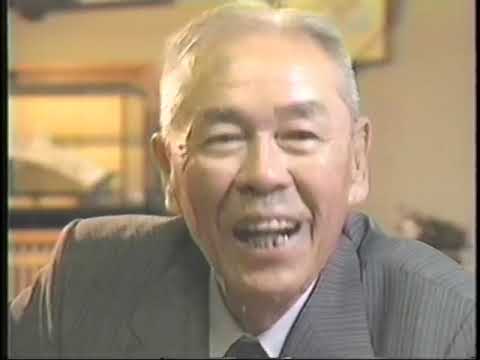 20 min
Taiichi Ohno Discusses the Toyota Production System
Ohno on the Toyota Production System: just-in-time, the seven wastes, and why inventory hides the problems you need to see.
 20 min
Eli Goldratt on the Theory of Constraints
Goldratt on the one idea that changed management: every system is limited by a single constraint, and you improve the whole by focusing on the bottleneck — not everywhere at once.