Douglas McGregor: Theory X and Theory Y
Organizational Communication Channel · 15 min · McGregor's The Human Side of Enterprise (explainer)
Open in YouTubeThe core argument
Management is a self-fulfilling prophecy. Theory X assumes people are lazy, need control, and avoid responsibility — and the manager who acts on it builds a culture of compliance and evasion. Theory Y assumes people are capable, want to do good work, and will take responsibility when trusted — and that manager gets engagement. The assumption, not the people, is the variable.
The two sets of assumptions every manager holds about their people — and why the Theory X manager creates the very behavior they fear.
Annotated timestamps
3–5 min core argumentsSkip the full lecture — jump straight to the passages that matter. Each clip links to YouTube at the exact moment.
- 01Every manager runs on assumptions▶ 02:10
McGregor's premise: you can't manage without a theory of people, and your theory shapes everything you do.
- 02Theory X: control and coercion▶ 07:30
The manager who assumes workers are lazy builds the systems — supervision, rules, carrots and sticks — that produce compliance and apathy.
- 03Theory Y: trust and responsibility▶ 11:40
The manager who assumes people are capable designs for autonomy, responsibility, and meaning — and gets the engagement the X manager never sees.
Founder cross-references
opposing & complementary takesMcGregor explains the manager's assumptions; Herzberg explains what actually motivates. Read them as one theory.
Pink's autonomy-mastery-purpose is the modern evidence base for McGregor's Theory Y — trust is now scientifically justified.
Ideas in this lecture
Companion reads
All books →Start With Why
Simon Sinek
Start With Why
★★★★Simon Sinek · 2009
How great leaders inspire everyone to take action — by starting with the why, not the what.
Dare to Lead
Brené Brown
Dare to Lead
★★★★Brené Brown · 2018
Brave work, tough conversations, whole hearts — the research on leading with courage.
The 7 Habits of Highly Effective People
Stephen R. Covey
The 7 Habits of Highly Effective People
★★★★½Stephen R. Covey · 1989
The character-based classic of personal and professional effectiveness.
Keep exploring
 18 min
Start with Why: How Great Leaders Inspire Action
The talk that launched a thousand mission statements. Sinek explains the Golden Circle — why, how, what — and shows that people don't buy what you do, they buy why you do it.
 20 min
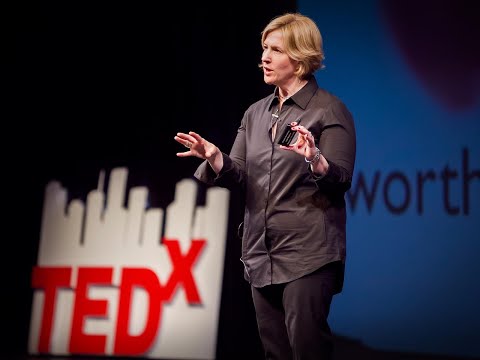
The Power of Vulnerability
The most-watched TED talk of all time. Brené Brown makes the counterintuitive case that vulnerability — showing up without knowing the outcome — is the birthplace of courage, connection, and trust, not weakness.
 9 min
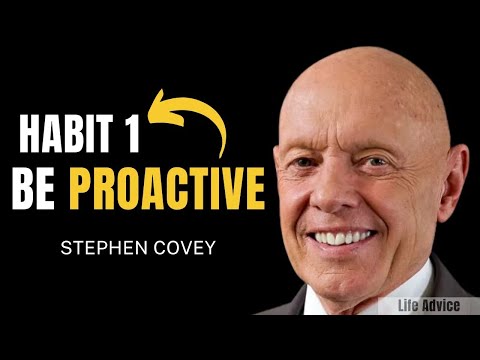
The First Habit: Be Proactive
Covey on the habit that unlocks all the others: the gap between stimulus and response, where you choose your response — and in that choice, your character and your business are built.