The Five Dysfunctions of a Team
Leo Gomez · 47 min · Patrick Lencioni talk (2013)
Open in YouTubeThe core argument
Team health is the ultimate competitive advantage because almost no one has it. The five dysfunctions build on each other: without vulnerability-based trust there is no productive conflict; without conflict there is no real commitment; without commitment there is no accountability; and without accountability the results are ignored. Fix the base — trust — and the rest follows.
Lencioni's diagnostic pyramid: absent trust, fear of conflict, lack of commitment, avoidance of accountability, and inattention to results — the five stacked reasons teams underperform despite individual talent.
Annotated timestamps
3–5 min core argumentsSkip the full lecture — jump straight to the passages that matter. Each clip links to YouTube at the exact moment.
- 01Smart teams fail▶ 03:00
Lencioni's founding observation: teams of intelligent, driven people fail for behavioral reasons, not intellectual ones. The dysfunction is in how they interact, not who they are.
- 02Trust first, then productive conflict▶ 15:30
Teams that trust each other can argue passionately about ideas without it being personal. Teams without trust avoid the fight — and every avoided fight is a bad decision shipped.
- 03Commitment and accountability▶ 31:00
Real commitment requires disagreeing in the room, then agreeing to support the decision outside it. Accountability is the courage to call a peer out — which only works if commitment was real.
Founder cross-references
opposing & complementary takesBrown supplies the evidence for Lencioni's first dysfunction: teams only take interpersonal risks when their leader models vulnerability.
Dalio's radical transparency is Lencioni's fix for conflict avoidance taken to an extreme — both insist the argument must happen in the room.
Ideas in this lecture
Companion reads
All books →Start With Why
Simon Sinek
Start With Why
★★★★Simon Sinek · 2009
How great leaders inspire everyone to take action — by starting with the why, not the what.
Dare to Lead
Brené Brown
Dare to Lead
★★★★Brené Brown · 2018
Brave work, tough conversations, whole hearts — the research on leading with courage.
The 7 Habits of Highly Effective People
Stephen R. Covey
The 7 Habits of Highly Effective People
★★★★½Stephen R. Covey · 1989
The character-based classic of personal and professional effectiveness.
Keep exploring
 18 min
Start with Why: How Great Leaders Inspire Action
The talk that launched a thousand mission statements. Sinek explains the Golden Circle — why, how, what — and shows that people don't buy what you do, they buy why you do it.
 20 min
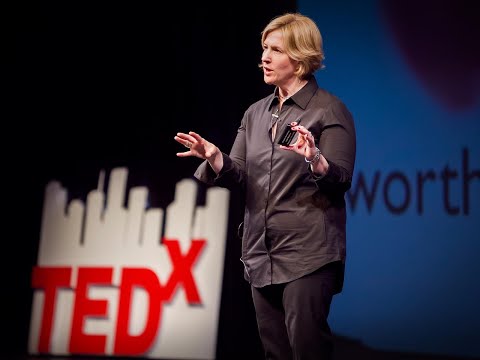
The Power of Vulnerability
The most-watched TED talk of all time. Brené Brown makes the counterintuitive case that vulnerability — showing up without knowing the outcome — is the birthplace of courage, connection, and trust, not weakness.
 9 min
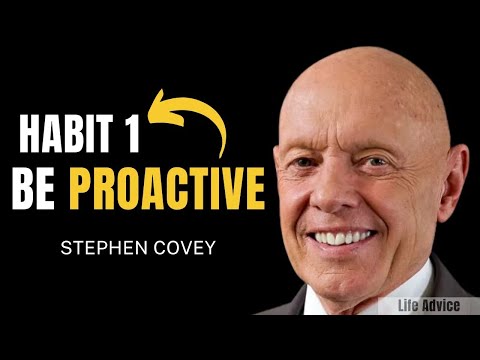
The First Habit: Be Proactive
Covey on the habit that unlocks all the others: the gap between stimulus and response, where you choose your response — and in that choice, your character and your business are built.