How to Get Rich
Naval · 1h 4m · Naval Ravikant's official talk
Open in YouTubeThe core argument
Getting rich is not a lottery — it's a predictable equation. Wealth is assets that earn while you sleep, built from specific knowledge you can't be trained for, applied with leverage (code, media, capital, or labor), and held long enough to compound. Play iterated games, add accountability, and productize yourself.
Naval's deterministic theory of wealth: specific knowledge, leverage, accountability, and compounding — why luck is a skill you can systematize, and why 'seek wealth, not money.'
Annotated timestamps
3–5 min core argumentsSkip the full lecture — jump straight to the passages that matter. Each clip links to YouTube at the exact moment.
- 01Seek wealth, not money▶ 05:30
Wealth is assets that earn while you sleep. Money is a transferable claim on wealth. If you optimize for money you'll trade time for it — the opposite of leverage.
- 02Specific knowledge is found, not taught▶ 24:10
It's your genuine curiosity, almost 'in your DNA' — cannot be trained for, cannot be outsourced. For you and only you, and it emerges from obsession.
- 03Leverage: code, media, capital, and labor▶ 41:00
Modern wealth is levered. Code and media are permissionless leverage that scale with zero marginal cost — the great equalizer for the individual founder.
Founder cross-references
opposing & complementary takesNaval is Thiel's theory of monopoly applied to the individual: specific knowledge is the personal zero-to-one. Both reject the competition-is-good consensus.
Grant studies how originals generate and sell new ideas; Naval is more willing to say 'don't be original, be specific and leveraged.' A genuine tension.
Ideas in this lecture
Companion reads
All books →Zero to One
Peter Thiel with Blake Masters
Zero to One
★★★★½Peter Thiel with Blake Masters · 2014
How to build the future by creating new things rather than copying what works.
The Innovator's Dilemma
Clayton M. Christensen
The Innovator's Dilemma
★★★★★Clayton M. Christensen · 1997
When new technologies cause great firms to fail — and why good management is the culprit.
The Almanack of Naval Ravikant
Eric Jorgenson
The Almanack of Naval Ravikant
★★★★½Eric Jorgenson · 2020
A guide to wealth and happiness from the most-quoted philosopher of the startup world.
Keep exploring
 40 min
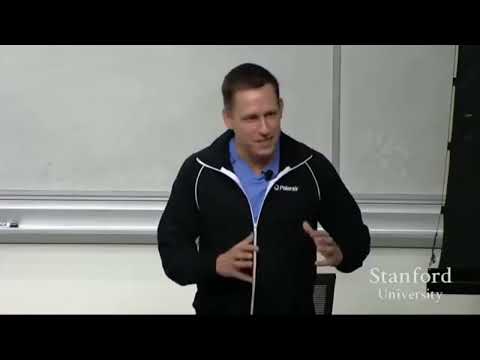
Competition is for Losers
Thiel's opening salvo: competition destroys value, monopoly captures it. He shows that every successful company hides a monopoly from the world while pretending to compete — and that your goal is to be the only company that can do what you do.
 28 min
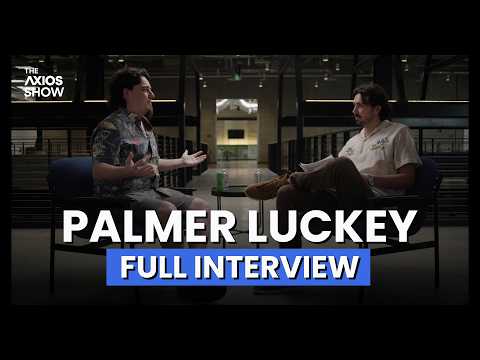
Palmer Luckey on AI, War, and Anduril
Luckey on why he left VR for defense and how he runs a hard-tech company on conviction: contrarian bets, long development cycles, and an absolute refusal to let consensus set his priorities.
 56 min
Patrick Collison: Hiring at Stripe and the Role of a Product-Focused CEO
Collison on building Stripe as an infrastructure company: obsessive product quality, hiring as the company's real strategy, and why boring, reliable infrastructure beats flashy consumer features as a business model.