Model 10
Quality & Manufacturing Excellence
Zero defects, lean systems, perfect process
10
Once you have customers, the moat moves from the market to the machine. The quality canon — statistical process control, lean and the seven wastes, zero-defect mistake-proofing, and the theory of constraints — is how a business turns good intentions into perfect, repeatable output.
Core principles
- ▸Statistical process control
- ▸Lean and the seven wastes
- ▸Zero defects and poka-yoke
- ▸The theory of constraints
Curated lectures
 45 min
W. Edwards Deming — Rare Full-Length Interview (1984)
Deming in his own voice on the 14 Points, statistical process control, and why quality is a management problem, not a worker problem.
 20 min
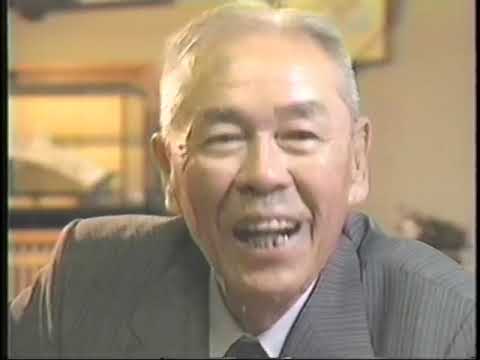
Taiichi Ohno Discusses the Toyota Production System
Ohno on the Toyota Production System: just-in-time, the seven wastes, and why inventory hides the problems you need to see.
 15 min
Zero Quality Control: Poka-Yoke in JIT
Shingo's radical standard: defects should be impossible, not improbable — poka-yoke mistake-proofing at the source, so quality control is zero because the error can't happen.
 20 min
Eli Goldratt on the Theory of Constraints
Goldratt on the one idea that changed management: every system is limited by a single constraint, and you improve the whole by focusing on the bottleneck — not everywhere at once.
Reading list
Out of the Crisis
W. Edwards Deming
Out of the Crisis
★★★★½W. Edwards Deming · 1982
The 14 Points and the system that made quality a management discipline.
Toyota Production System
Taiichi Ohno
Toyota Production System
★★★★½Taiichi Ohno · 1978
Beyond large-scale production — the just-in-time system and the elimination of waste.
Zero Quality Control: Source Inspection and the Poka-Yoke System
Shigeo Shingo
Zero Quality Control: Source Inspection and the Poka-Yoke System
★★★★Shigeo Shingo · 1986
The radical standard: make defects impossible, not improbable.
The Goal
Eliyahu M. Goldratt
The Goal
★★★★½Eliyahu M. Goldratt · 1984
A process of ongoing improvement — the novel that made the Theory of Constraints famous.