To justify the ways of God to men
An immersive companion to John Milton's epic masterpiece. Read the poem, explore curated resources, and journey through the Fall of Man.
Three ways to engage with Milton's masterwork
The complete text of Paradise Lost in a beautiful, distraction-free reading interface. Navigate book by book with line numbers.
Enter the poem →Free courses, university lectures, annotated texts, audiobooks, and study guides—all organized for every level of reader.
Browse resources →Understand Milton's world, the poem's structure, key themes, and how to approach this epic with suggested study paths.
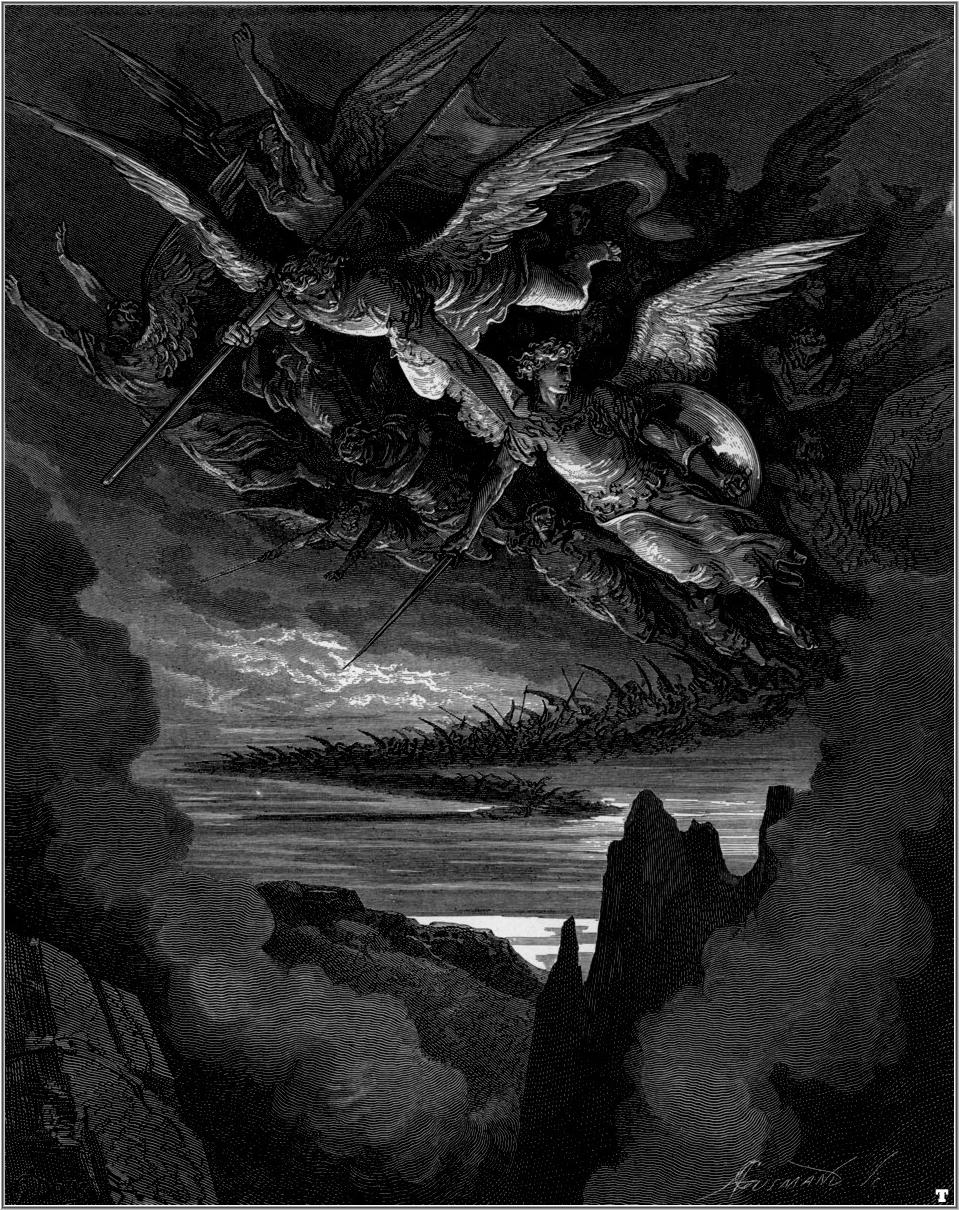
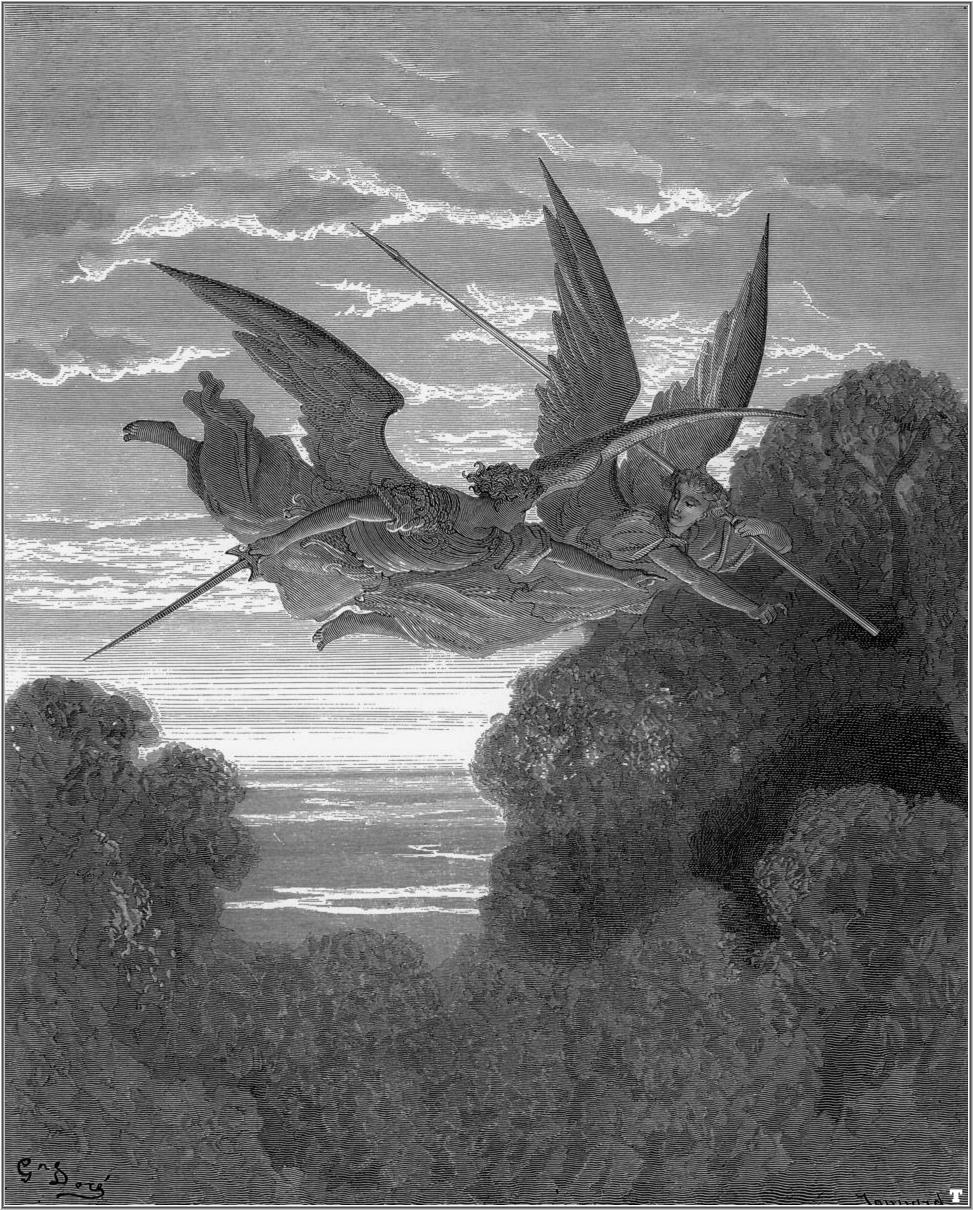
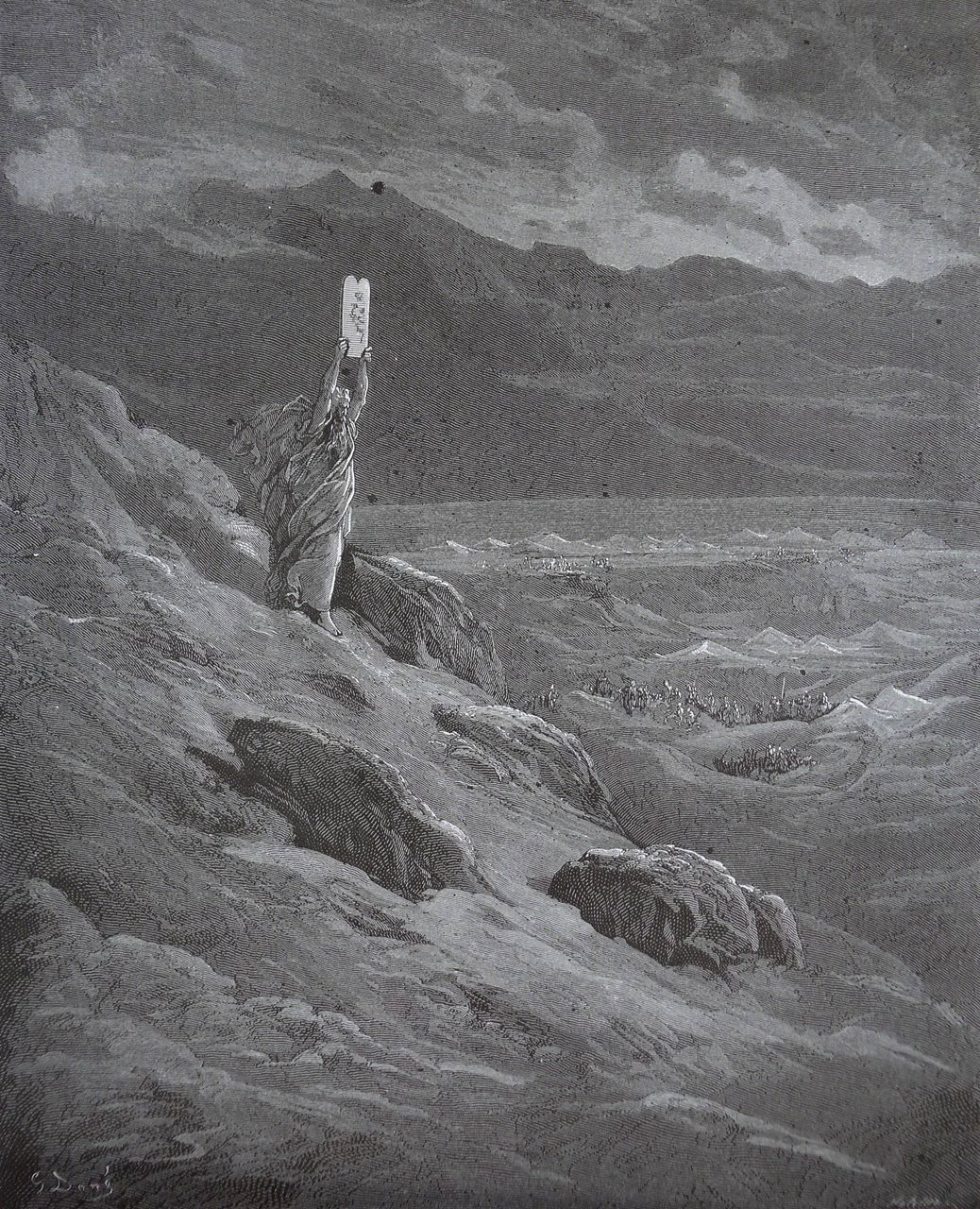
Start studying →All 50 Gustave Doré illustrations for Paradise Lost in stunning HD. Browse the full collection with a beautiful lightbox viewer.
View gallery →Of Man's First Disobedience, and the Fruit of that Forbidden Tree… So begins John Milton's monumental epic, first published in 1667. Composed after Milton had gone completely blind, the poem was dictated in its entirety to amanuenses.
Spanning ten books, Paradise Lost ranges across Heaven, Hell, and the newly created Earth. It recounts the Fall of Satan and his rebel angels, the creation of the world, and humanity's temptation and exile from Eden—all while seeking to "justify the ways of God to men."
Milton's blank verse transformed English poetry. His Satan remains one of literature's most compelling antiheroes, his Eve a figure of profound complexity, and his vision of cosmic history a landmark of the Western imagination.
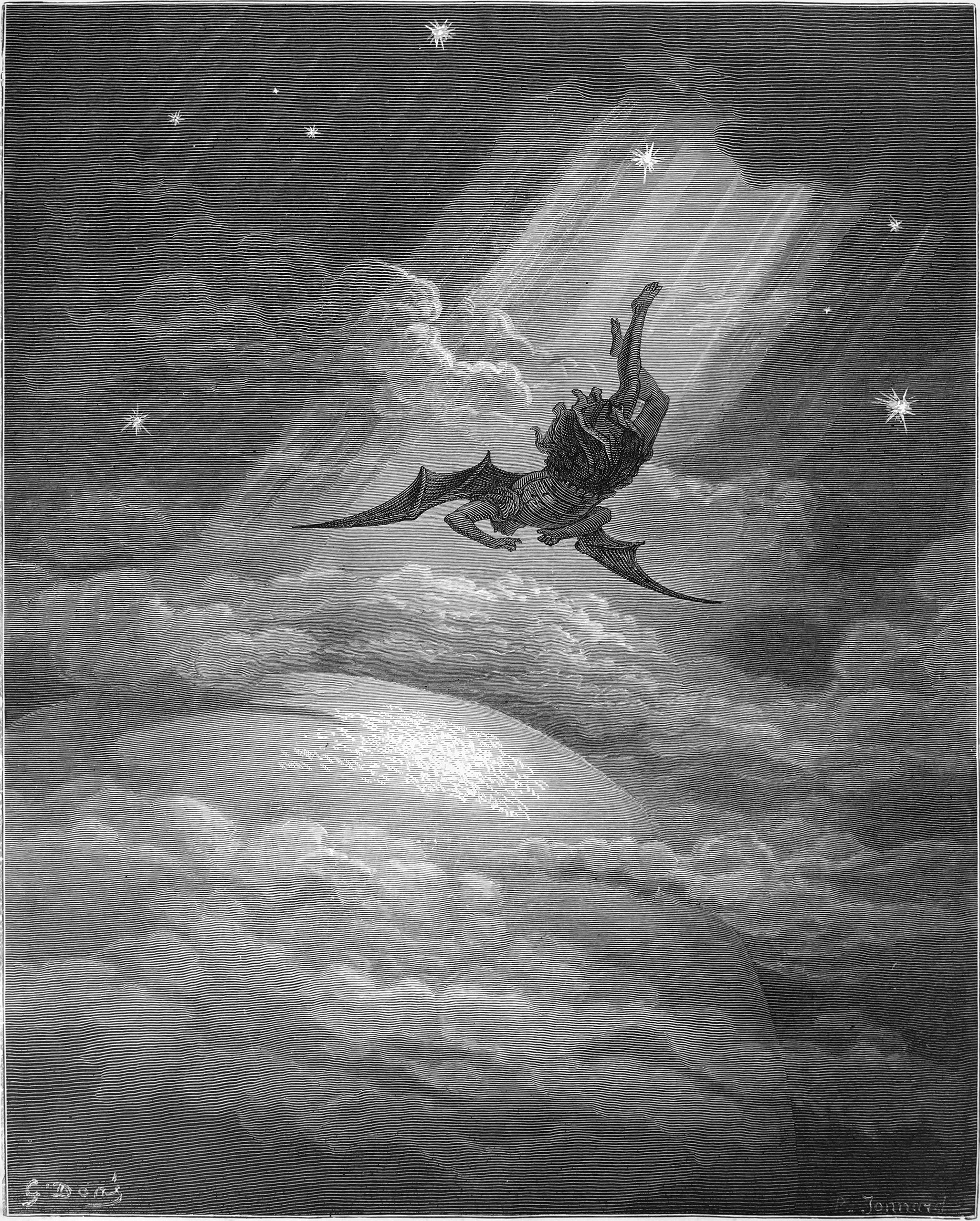
Doré's 1866 engravings captured the sublime terror and beauty of Milton's cosmos