John Milton · 1667

Paradise & Lost

To justify the ways of God to men

An immersive companion to John Milton's epic masterpiece. Read the poem, explore curated resources, and journey through the Fall of Man.

Scroll

A growing library of epic and sacred texts

We’re organizing the site into a shared Works hub, with individual pages for major texts and room to expand into notes, editions, and companion material.

Your Journey Begins Here

Three ways to engage with Milton's masterwork

An Epic of Unparalleled Ambition

Of Man's First Disobedience, and the Fruit of that Forbidden Tree… So begins John Milton's monumental epic, first published in 1667. Composed after Milton had gone completely blind, the poem was dictated in its entirety to amanuenses.

Spanning ten books, Paradise Lost ranges across Heaven, Hell, and the newly created Earth. It recounts the Fall of Satan and his rebel angels, the creation of the world, and humanity's temptation and exile from Eden—all while seeking to "justify the ways of God to men."

Milton's blank verse transformed English poetry. His Satan remains one of literature's most compelling antiheroes, his Eve a figure of profound complexity, and his vision of cosmic history a landmark of the Western imagination.
10
Books
10,565
Lines of Verse
1667
First Published
12
Years in the Making
The mind is its own place, and in itself
Can make a Heav'n of Hell, a Hell of Heav'n.
— John Milton, Paradise Lost, Book I

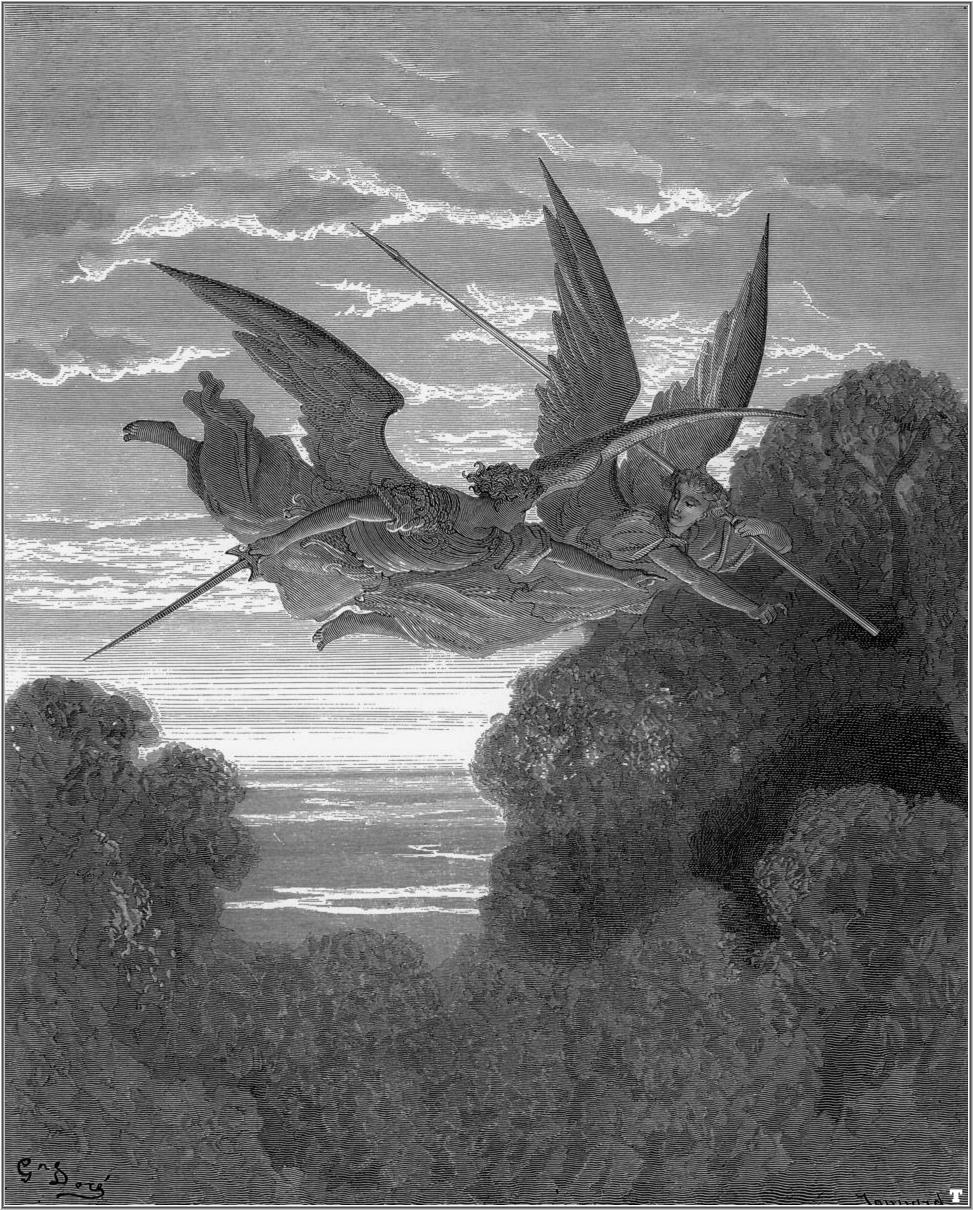
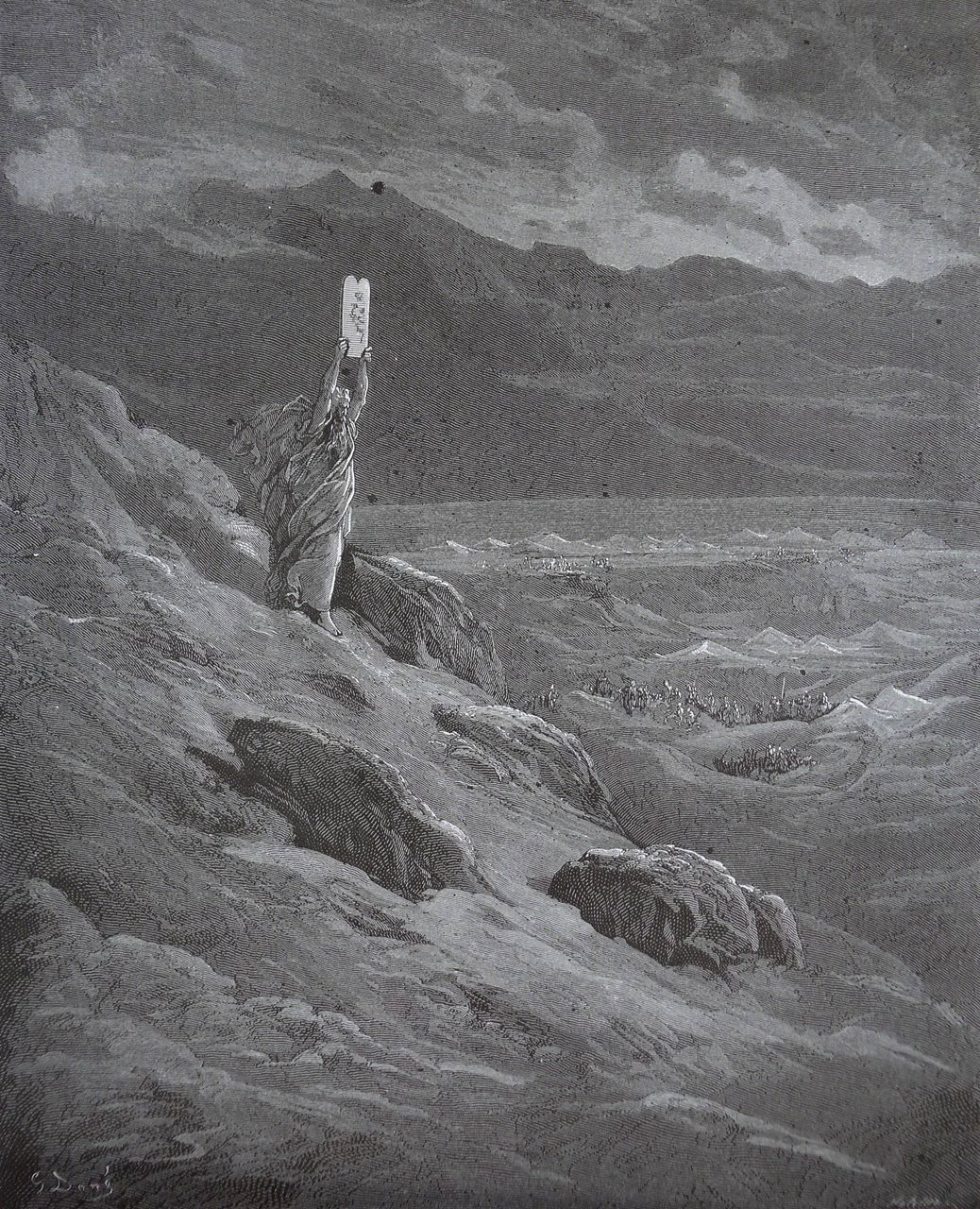
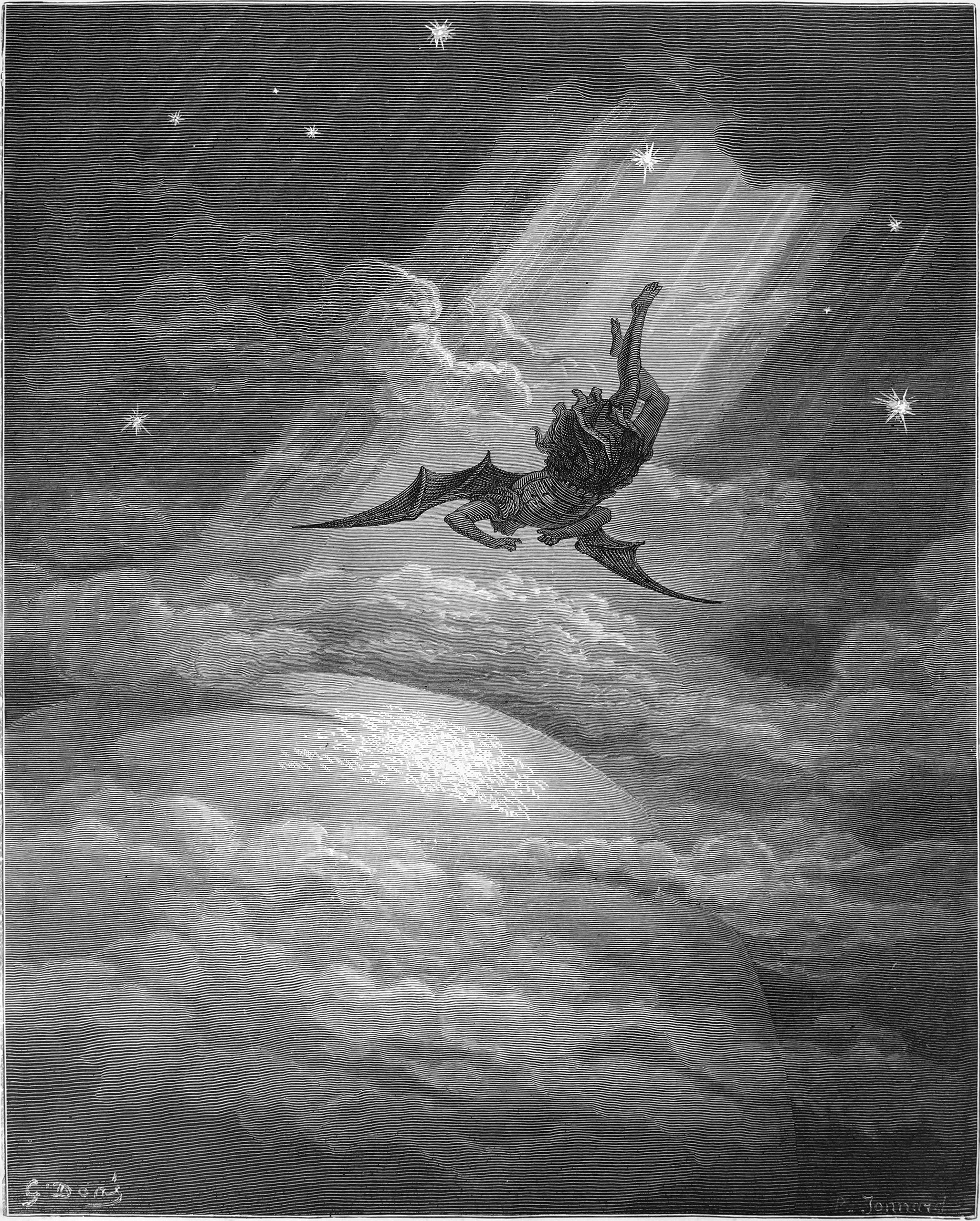
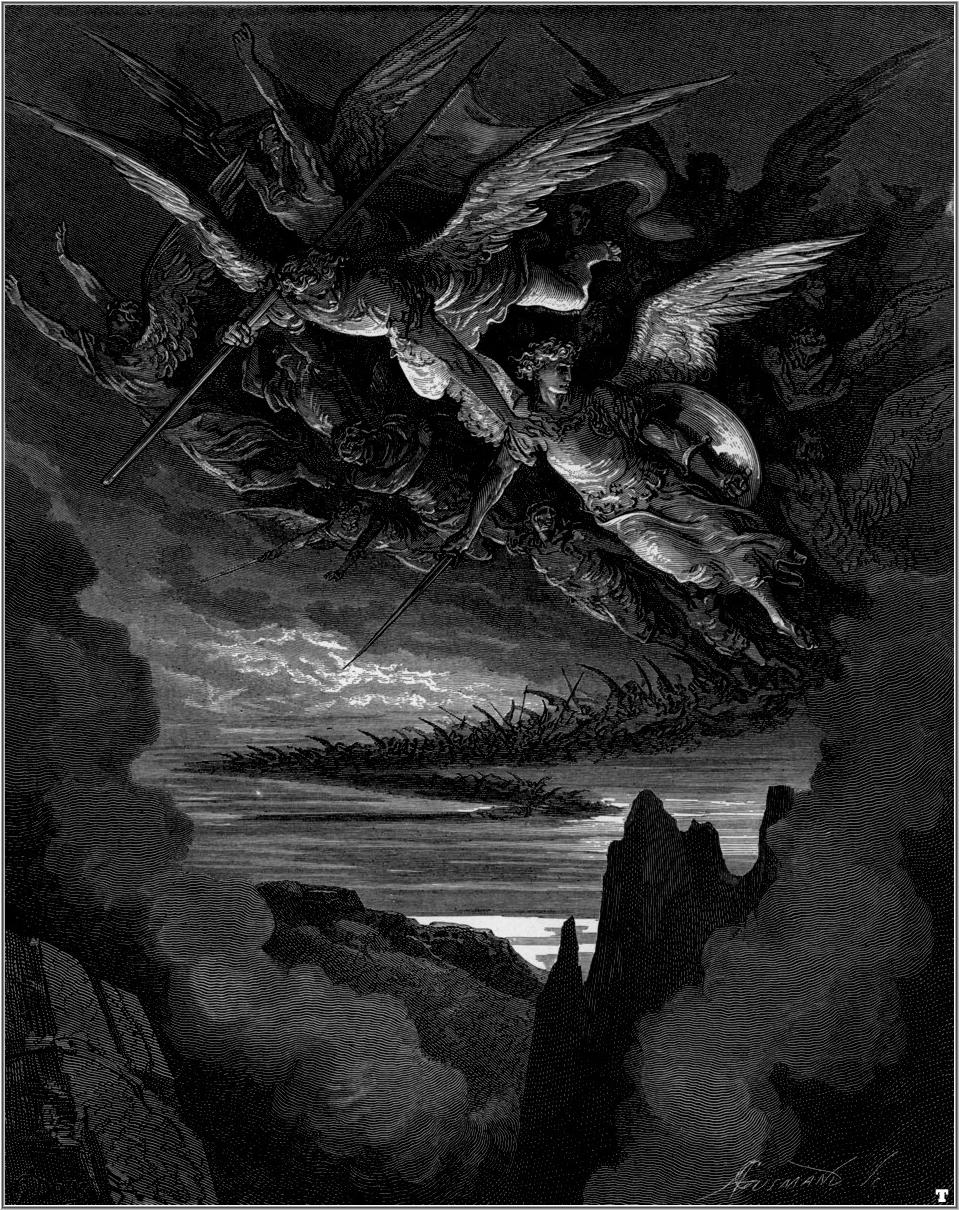
Illustrating the Epic

Doré's 1866 engravings captured the sublime terror and beauty of Milton's cosmos

The descent of Satan
The Descent of Satan
Satan on the burning lake
Satan on the Burning Lake
Adam and Eve in the Garden
Adam and Eve in Eden
The expulsion from Eden
The Expulsion from Eden
Browse All 50 Illustrations